Food Allergy-Friendly Menu Development Guide | Safe and Secure Kids' Meals Made with Local Ingredients
We introduce concrete steps for developing an allergy-friendly 'Kids' Meal' that maximizes the use of local ingredients. Let's streamline the menu development process from the initial stage and establish a system to offer customers safe and secure meals.

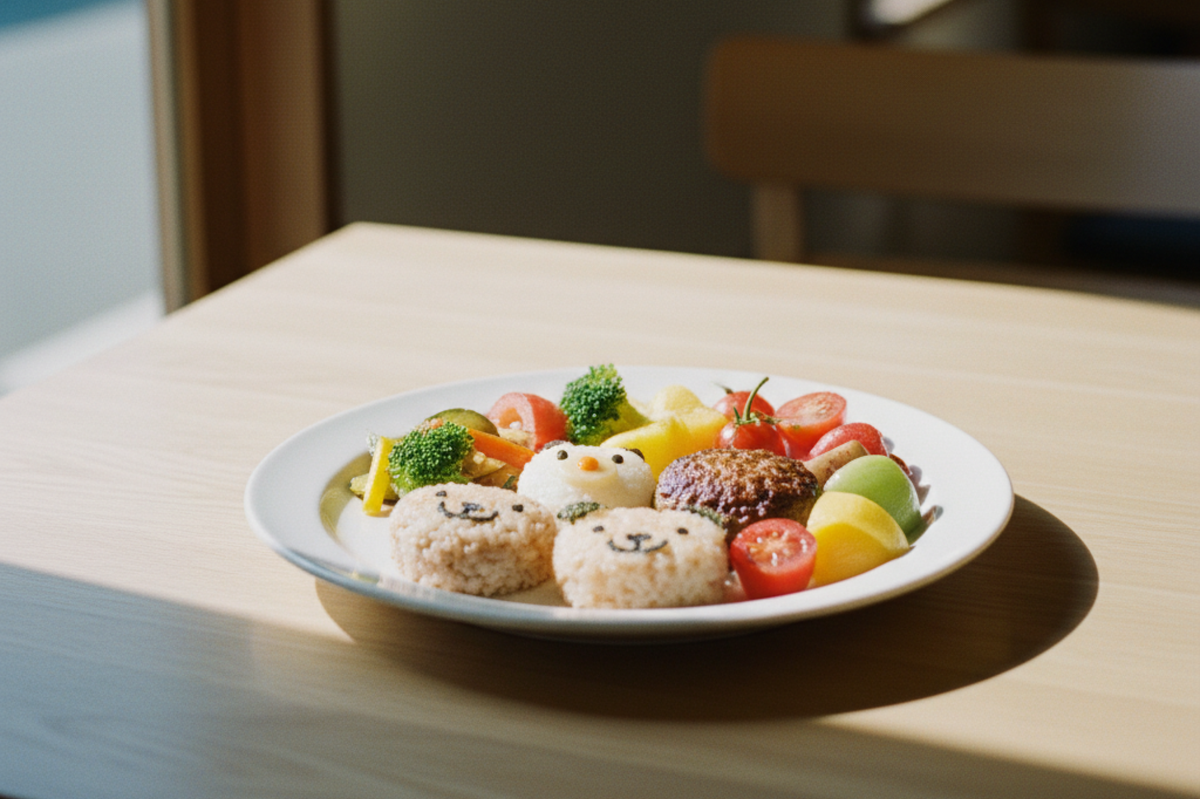
Tools Used
- Product/Menu Development Planner
Developing Food Allergy-Friendly Menus
As the percentage of people with food allergies in Japan increases, it has become essential for restaurants to offer allergy-friendly menus. However, allergy handling requires specialized knowledge, and errors in labeling can lead to serious incidents.
This article explains how to develop a menu that takes food allergies into consideration, using a "Kids' Meal made with local ingredients" as an example. By efficiently proceeding with development from the initial stage, you can establish a system to provide safe and secure meals to your customers.
Specific Procedures
Step 1: Create Menu Proposals Utilizing Local Ingredients
Create appealing menu proposals that maximize the use of local ingredients. Incorporating local specialties and seasonal ingredients helps differentiate your offerings from competitors and creates menus that capture customer interest.
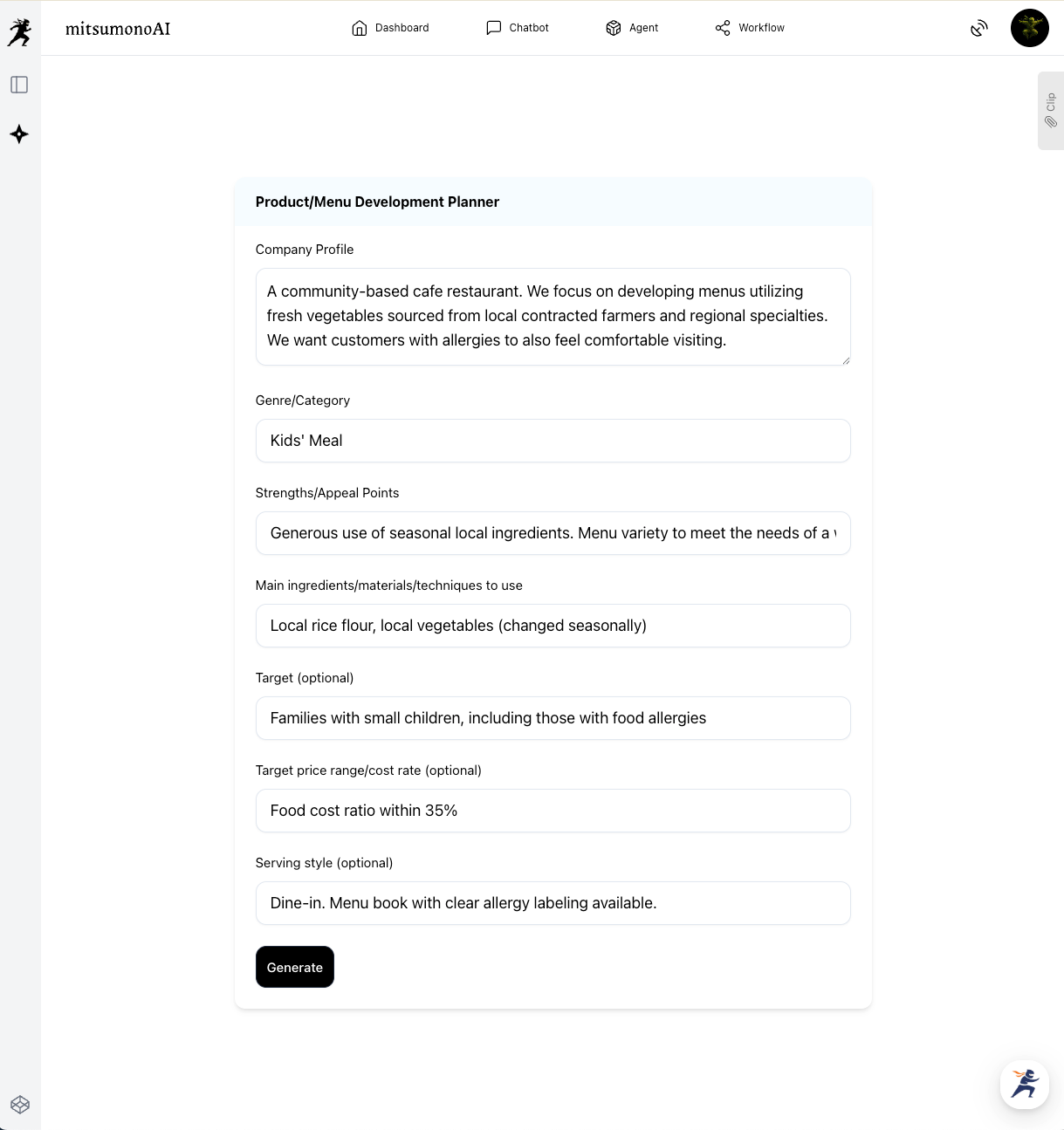
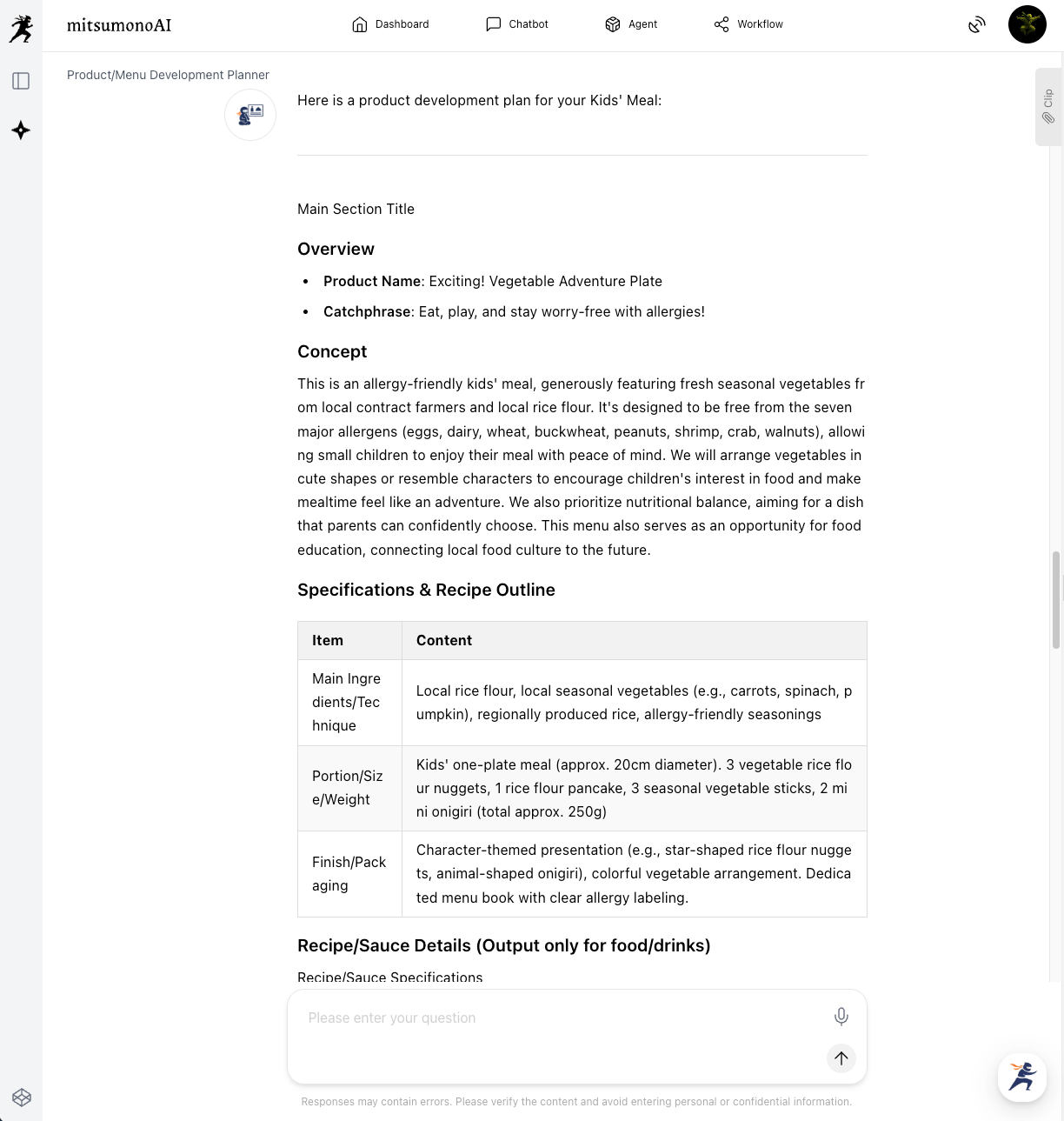
By entering the above information in detail, the AI can more easily propose menu ideas that match the store's characteristics and customer needs.
Step 2: Extract Specific Allergens and Generate Labeling Examples
List the specific raw materials (allergens) contained in the ingredients of the created menu proposal. Under the Food Labeling Act, labeling is mandatory for the following ingredients:
- Specific Mandatory Allergens (8 items): Egg, Milk, Wheat, Shrimp, Crab, Buckwheat, Peanut, Walnut
- Specific Recommended Allergens (20 items): Almond, Asari clam, Squid, Salmon roe, Orange, Cashew nut, Kiwi fruit, Beef, Sesame, Salmon, Mackerel, Soybeans, Chicken, Banana, Pork, Macadamia nut, Mango, Peach, Yam, Apple
"Extract the specific allergens (the 8 mandatory and 20 recommended items) and create examples of the ingredient names and allergen labels based on the Food Labeling Act."
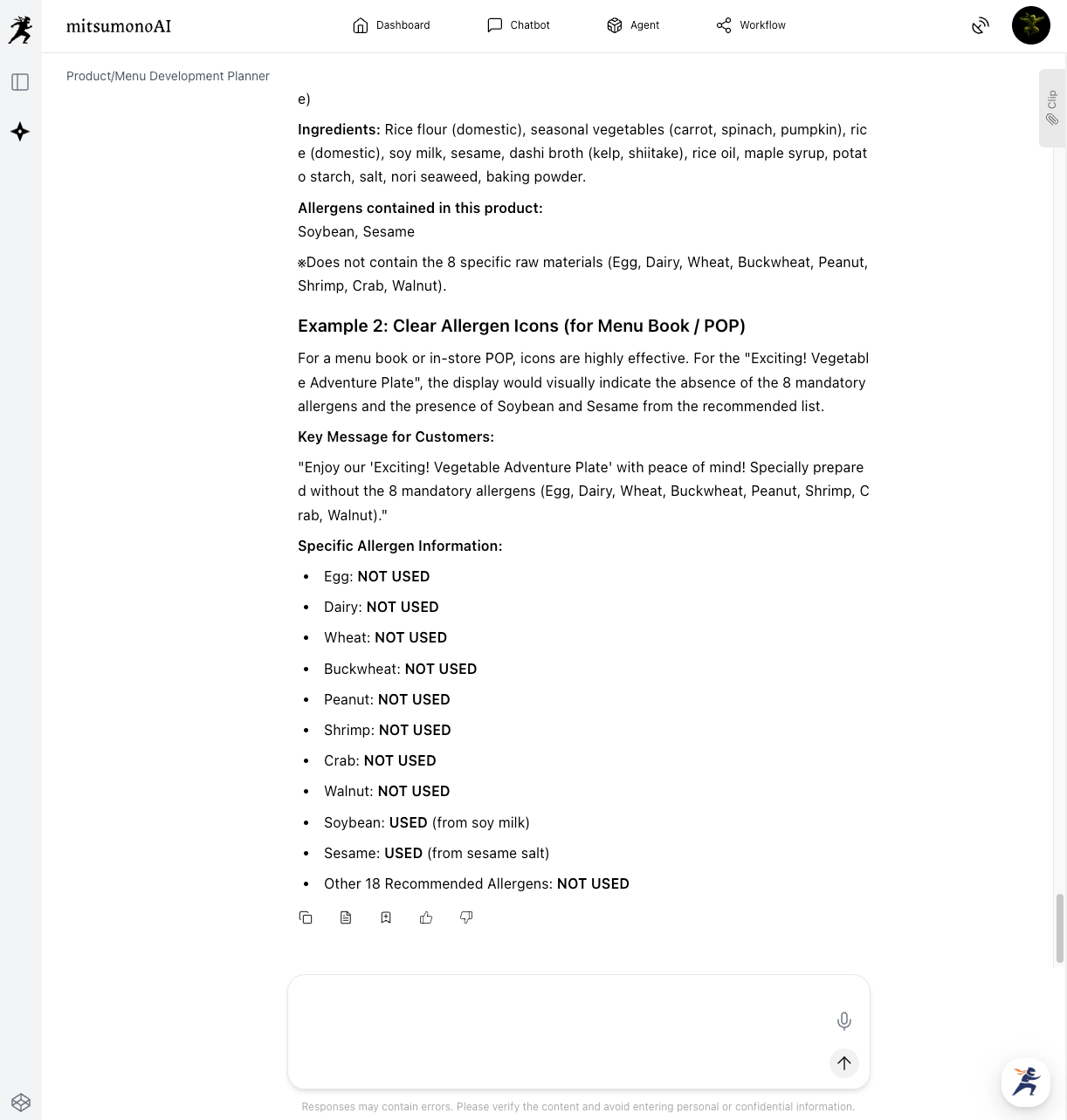
This process minimizes omissions or errors in allergy labeling, ensuring accurate labeling that meets legal requirements.
Step 3: Final Check by Specialists and Safe Menu Provision
The allergy labeling examples generated by the AI must undergo a final check by specialists such as nutritionists or food hygiene managers. This step determines the establishment of customer trust.
- Confirmation of labeling accuracy and completeness
- Assessment of cross-contamination risk and verification of countermeasures
- Verification of allergy response procedures in the cooking process
- Recording of final approval and approval date
By undergoing checks by specialists, you guarantee the accuracy of the labeling and can offer the "Kids' Meal" menu with confidence to families with children.
Outcomes Achieved Through Utilization (Examples)
- Efficiency in Menu Development
- By having the Product/Menu Development Planner create the base for allergy labeling examples, the effort of considering allergy labeling from scratch is eliminated, significantly reducing the time required for menu development.
- Improved Accuracy of Allergy Labeling
- Combining AI-generated proposals with specialist checks minimizes omissions and errors in allergy labeling, ensuring accurate information is provided to customers. This directly contributes to preventing incidents related to food allergies.
- Increased Customer Satisfaction and Trust
- Offering allergy-friendly menus and accurate allergy labeling leads to a sense of security not only for customers with food allergies but for all customers, enhancing customer satisfaction and trust in the restaurant. An increase in word-of-mouth referrals and repeat visits can also be expected.
Target Metrics After 3 Months of Initiative
KGI (Key Goal Indicator):
- Number of visitors with children: Achieve a 15% increase compared to the same month last year.
KPIs (Key Performance Indicators):
- Number of orders for allergy-friendly kids' meals: Achieve 50 servings or more per month.
- Number of customer inquiries regarding allergies: Achieve 7 or fewer per month (30% reduction from the current level of about 10 per month).
- Number of new customer acquisitions (limited to those with children): Acquire 20 groups or more per month.