AI-Powered Guide to Creating Complaint Handling Manuals for Higher Customer Satisfaction
Use the File Analysis Assistant to extract key points from past cases and existing materials. Learn how to efficiently create manuals with specific steps, response flows, and phrasing examples that employees can implement without hesitation.


Tools to Use
File Analysis Assistant
Complaint Handling is an Opportunity to Boost Customer Satisfaction
Handling complaints is more than just resolving dissatisfaction; it’s a chance to actually build customer loyalty. However, if handled poorly, it can damage both customer satisfaction and your brand image.
In this guide, we will create a "field-ready" complaint handling manual designed to maintain and improve customer satisfaction while enhancing your brand value. We'll show you how to extract key points from existing manuals and past cases to build a practical guide that gives employees the confidence to act.
Step-by-Step: Setting Up Your Complaint Handling Manual
Step 1: Upload Existing Materials and Let AI Analyze Them
1-1. Upload Your Files
First, upload your relevant documents to the "File Analysis Assistant." The AI will efficiently identify and extract the core information needed for handling complaints.
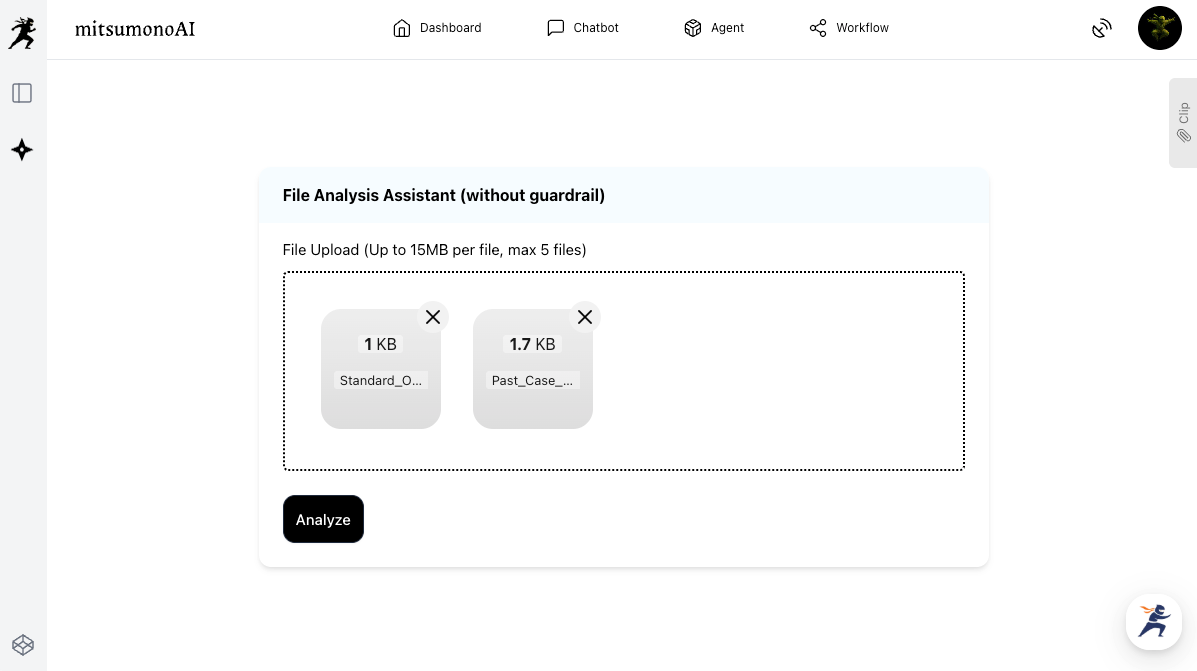
Examples of materials to upload:
- Existing customer service or operations manuals
- Past complaint cases (both success and failure stories)
- Apology letter templates and examples
- Customer surveys and feedback
1-2. Instruct the Analysis
After uploading, give the AI the following prompt:
The AI will analyze the documents and summarize the core lessons. Be sure to save this output to your "Clips" for future reference.
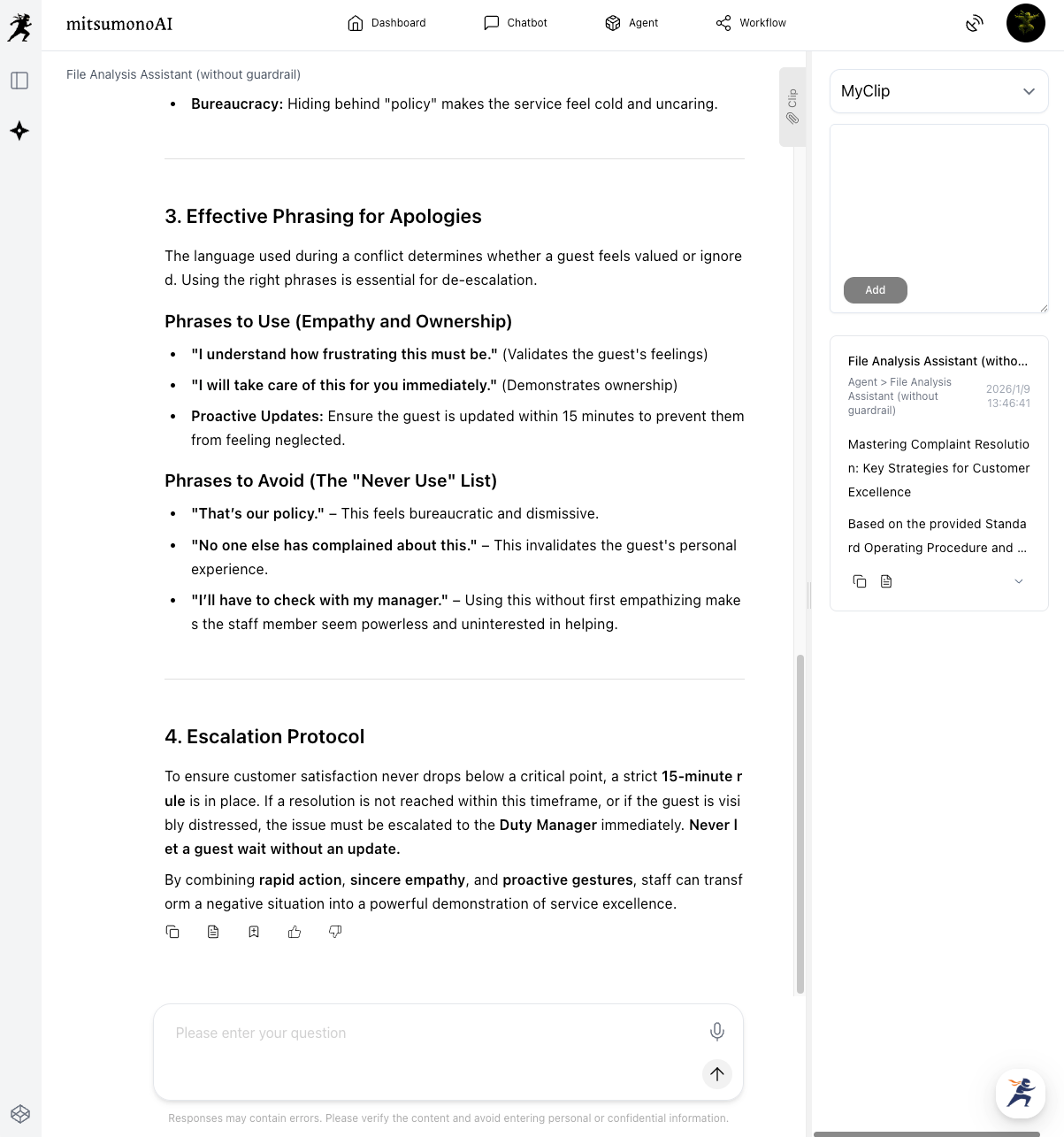
Step 2: Generate Practical Response Procedures
Give the following instruction to turn those key points into specific steps that employees can follow with confidence:
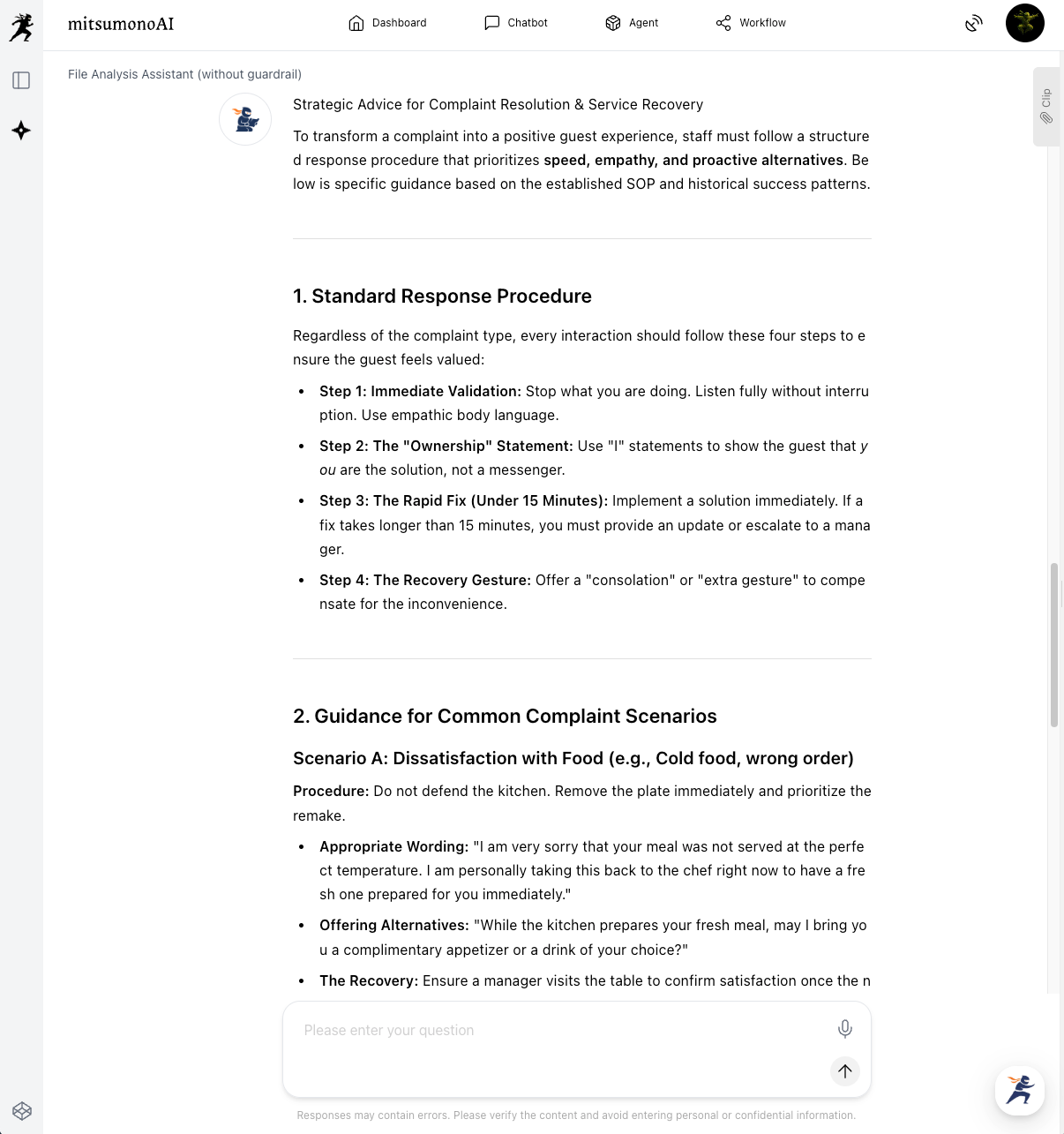
The AI will propose response flows for specific situations, empathetic phrasing, and effective ways to offer alternatives.
Step 3: Refine the Employee Complaint Handling Manual
Use this prompt to create a concise, easy-to-understand manual that employees can use on the job:
Examples to include:
'The first words to say when a complaint occurs'
'Key points for active listening'
'Phrasing for apologies'
'Criteria for reporting to a manager or store owner'"
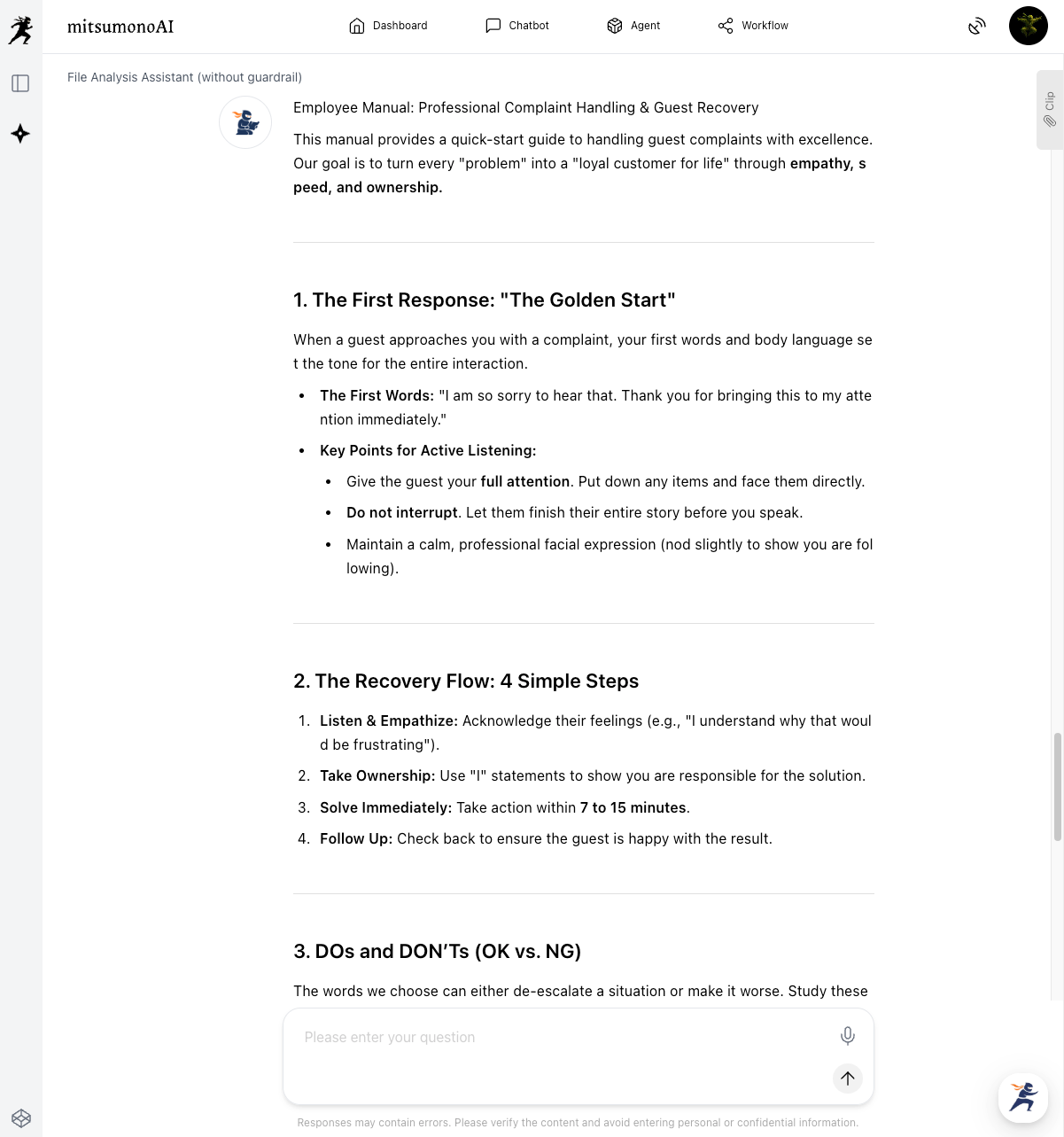
Review the AI-generated draft and make final adjustments to align it with your organization’s structure and training policies.
Step 4: Introduction and Integration into Training
Introduce the manual into your employee training program. It’s important to ensure it "sticks" through practical practice rather than just handing out the document.
Methods for integration:
- Initial Training: Use the manual during onboarding to teach new staff the basics of complaint handling.
- Role-Playing: Regularly conduct mock exercises based on real scenarios to check if staff can follow the manual and exercise good judgment.
- Case Sharing and Review: Share actual complaint cases (anonymized) and discuss them alongside the manual to identify what went well and what needs improvement.
- Periodic Reviews: Regularly review the manual's content to account for new complaint trends or changes in regulations.
Results Achieved Through This Approach
- Improved Consistency: Since all employees respond based on a shared understanding and set of procedures, service quality is standardized, providing customers with a sense of security.
- Employee Confidence and Skill-Up: With a clear manual and practical training, employees gain the confidence to handle complaints, which also leads to better staff retention.
- Risk Mitigation: You reduce the risk of a situation escalating or brand image being damaged due to an improper response, thereby increasing corporate trust.
- Improved Operational Efficiency: AI significantly reduces the time and effort required to create manuals and training materials, allowing managers to focus on their core duties.
For more use cases and the latest information, visit the mitsumonoAI blog site.